
Clear Skin Starts in Your Cup: The Tea-rrific Truth About the Gut-Skin Connection
Chronic skin conditions are tough, y’all.
If you’ve been struggling with persistent acne, rosacea, or eczema, you know that they’re not just skin-deep issues.
They can affect how you feel, how you look, and how you move through everyday life.
And while topical creams and “traditional” treatments can be powerful allies, they often focus on calming symptoms rather than addressing what may be driving them.
Here’s what many people don’t realize: If you struggle with skin issues, it’s possible your skin may be giving you clues about a deeper story, one that begins in your gut.
In this blog post, we’ll reveal the gut-skin connection that could help you take a more proactive approach to healing by working with your body’s natural systems instead of constantly reacting to flare-ups.
Spoiler: There IS good news. Supporting this connection doesn’t have to be complicated or unpleasant. Big Heart Tea’s organic blends, crafted with anti-inflammatory herbs like turmeric and ginger, digestive-supporting mints, and stress-balancing adaptogens, offer a gentle, enjoyable way to support gut and skin health from within. Sometimes, the most powerful support comes from a simple daily ritual that actually feels good.

Understanding the Gut-Skin Axis
Let’s be real: “gut-skin axis” sounds like something from a cheap Texas Chainsaw Massacre reboot. But joking aside, there are a myriad of reasons to get up to speed on this important connection, so let’s get into it.
The gut-skin axis refers to the relationship between your gastrointestinal tract (also called your G.I. tract or just your “gut”) and your skin health.
The idea that your skin and your gut have a connection isn’t new. Researchers have been studying this connection for 80+ years, with a particular ramp-up in research in the past decade or so.
We know you don’t feel like sifting through 80+ years of research, so we’ll summarize it in a single sentence:
When your gut is inflamed or out of balance, it can show up in your skin.
Here’s a little crash course on why.
Your gut acts as landlord to roughly 100 trillion bacteria and fungi, collectively known as your microbiome.
One of their most famous tasks? Pre-eating your food and helping you digest.
But they do a lot more, too:
- Regulate your immune system
- Produce essential metabolites like short-chain fatty acids (SCFAs)
- Synthesize vitamins
- Maintain the integrity of your intestinal barrier
In short, it’s a full-fledged ecosystem. But it is delicate. When it falls into an imbalance (or dysbiosis, if you want to get technical or just feel fancy), the resulting inflammation doesn't stay confined to your digestive tract; it travels through your bloodstream. Naturally it’s gonna impact your largest organ, your skin.
The research shows pretty compelling connections between gut health and common dermatological conditions. For instance, studies have found that small intestinal bacterial overgrowth (SIBO) is 10-13 times more prevalent in people with rosacea. Additionally, 7-10% of those with inflammatory bowel disease also have psoriasis.
Is the connection starting to make sense now? Good. Now, let’s talk about a big, important topic…
How Digestion, Inflammation, and Elimination Impact Your Skin
OK, so we’ve proven the point that your gut and your skin are connected. But what actually happens to your skin when your gut is in a state of imbalance?
Digestion = Foundation for Allllllll the Organs
When you eat, you aren’t just feeding your face. You’re feeding your organs, including your skin.
You probably already understand that what you eat matters to your skin health. But how you process what you eat also matters.
Proper digestion means you’re actually absorbing the nutrients your skin needs to regenerate and repair, vitamins A, C, E, zinc, and essential fatty acids. When digestive function is compromised through conditions like low stomach acid, insufficient digestive enzymes, or sluggish bile flow, nutrient deficiencies develop, and your skin pays the price.
OK, so what does “good” digestion look like?
Optimal digestive health means:
- Regular bowel movements that are easy to pass
- Minimal bloating
- Little gas production
Garden variety digestive symptoms like bloating, gas, constipation, or diarrhea aren’t just uncomfortable; they’re signals that your gut microbiome needs support.
While many people experience these issues regularly, we shouldn’t simply accept them at face value, we should also get curious about what is causing them.
So let’s look at…
The Inflammation Connection
Inflammation is where the gut-skin relationship really starts to make sense.
When your gut barrier becomes compromised, partially digested food particles, bacterial endotoxins, and inflammatory compounds enter your bloodstream. (If you’ve ever heard the term “leaky gut”, that’s what we’re talking about here.)
From there, our immune system responds by releasing pro-inflammatory thingies called cytokines, setting off a cascade that affects tissues throughout your body, including your skin.
Here are a few examples of how that might manifest:
For acne sufferers, all this inflammation could lead to accelerated sebum production, which makes your skin warmer, moister, and more oily, an environment where acne-causing bacteria thrive. This can lead to more breakouts.
For rosacea sufferers, research indicates that rosacea involves neurovascular dysregulation and immune system dysfunction, with the gut microbiota playing a key modulatory role. The inflammation doesn't just affect blood vessels in your face, it reflects systemic inflammatory processes that often begin in your digestive tract.
And if you have eczema? There’s a pretty clear gut-skin link. Studies show that people with eczema often have reduced populations of beneficial bacteria, particularly Bifidobacterium and Lactobacillus species.
These bacterial deficiencies correlate significantly with skin flare-ups and disease severity. The gut imbalance can trigger an immune response with characteristics of allergic skin conditions.
The Power of Elimination
Your body has four primary elimination pathways:
- Digestive system
- Urinary system
- Respiratory system
- Skin
When these primary elimination routes, particularly bowels, aren't functioning optimally, your skin often becomes responsible for some of the heavy lifting of elimination. This is part of why constipation and sluggish digestion so frequently correlate with skin problems.
Also, it’s important to understand this: Proper elimination isn’t just about regularity.
It's about efficiently removing metabolic waste products, excess hormones, and toxins.
When waste lingers too long in your colon, it can be reabsorbed into your bloodstream, contributing to a gnarly hamster-wheel of inflammation and oxidative stress that can manifest as skin issues.
So here’s the bottom line: Supporting regular elimination through adequate hydration, fiber-rich foods, and gentle herbal support can significantly reduce the toxic burden on your skin.
Gentle herbal support? Hydration? Yeah, Big Heart Tea can help with some of this stuff. Which brings us to the next topic at hand…
A Simple, Holistic Approach to Gut and Skin Health
Once again, no shade on topical treatments or prescribed medications. They have their place.
But they’re even more effective when paired with support that addresses root causes rather than just managing symptoms.
Nutritional Foundations for Gut-Skin Health
Incorporate Diverse Pre & Probiotic Foods
Prebiotics are non-digestible compounds that act like a tailgate party before the heavy lifting of digestion; they feed your beneficial gut bacteria, promoting microbial diversity and balance. Here are some examples:
- Apples
- Asparagus
- Chickpeas
- Chia seeds
- Dandelion greens
- Flaxseed
- Jerusalem artichokes
- Lentils + other legumes
- Pomegranates
- Oats + other whole grains
Probiotics are living organisms that directly introduce beneficial bacteria to your gut. The key is variety: consuming different types of probiotics ensures you're providing diverse bacterial strains. Include:
- Kombucha and water kefir
- Miso, tempeh, and natto
- Sauerkraut, kimchi, and other fermented vegetables
- Yogurt and kefir
Reduce Inflammatory Triggers
Certain foods are known culprits behind oxidative stress and inflammation, which can compromise both gut and skin health. While some is fine in moderation, take care when consuming these common trigger foods:
- Conventional dairy products (for those sensitive)
- Gluten-containing grains (particularly for those with sensitivities)
- High-glycemic foods and refined sugars
- Highly processed foods with additives and preservatives
- Refined vegetable oils (corn, soybean, canola)
Not sure how you’re doing? Consider keeping a food and symptom journal for a few weeks and see what kind of detective work you can do. Keep a log of what you eat and how your skin looks and feels immediately after meals and up to 24 hours later. Sometimes, inflammatory reactions don't appear immediately, so diligence, patience, and careful tracking can help you reveal important clues your body is sending.
Prioritize Hydration
You already know you should be drinking a lot of water, right? It’s essential for a lot of stuff that matters: Nutrient absorption, toxin elimination, and maintaining skin moisture.
Most people should aim for approximately half their body weight in ounces daily. For example, if you weigh 150 pounds, target about 75 ounces of water. This supports digestion, helps your body eliminate waste, and keeps your skin hydrated at the cellular level.
Related Lifestyle Factors That Support the Gut-Skin Axis
Sleep Quality
You already know that sleep matters for, you know, being a functional human being. But it’s extra-important to support your gut (and therefore your skin).
Sleep is interesting because its relationship with gut health goes both ways. That is to say, good gut diversity can help you sleep better, and good sleep can support the good bacteria in your gut.
Poor sleep doesn’t just make you feel cruddy, but it can negatively impact your microbiome and increase inflammation factors that can exacerbate skin conditions.
Stress Management and Nervous System Regulation
Did you know that the gut is sometimes called the “second brain” or “emotional brain”?
Stress doesn’t just live in your mind; it directly affects your gut microbiome through the release of stress hormones and neurotransmitters. These compounds can increase intestinal permeability, alter bacterial composition, and trigger inflammatory responses that manifest as skin problems.
Research shows strong correlations between anxiety, depression, and both gastrointestinal distress and acne. When you're stressed, your gut bacteria produce different neurotransmitters and neuropeptides that can worsen skin conditions.
Supporting your nervous system through daily practices can significantly impact both gut and skin health. Consider incorporating:
- Breathwork and meditation practices
- Gentle movement like yoga or tai chi
- EFT (Emotional Freedom Technique) tapping
- Journaling to process emotions
- Spending time in nature
- And, of course, ritual practices like brewing and mindfully drinking tea
That last bullet point brings us to the good stuff:
Tea as Internal Medicine: Supporting Your Skin From Within
We believe that tea is more than just a beverage.
It’s a daily ritual that supports healing from the inside out.
The right herbal teas don’t only make you feel good; they can help you take proactive steps to reduce inflammation, support digestion, balance your microbiome, and promote the elimination of toxins.
It’s also a chill-out ritual that makes you feel good. As we've explored in previous Big Heart Tea blogs about the wellness benefits of tea and creating healing rituals, the act of brewing tea itself becomes a moment of nervous system regulation, a pause in your day that signals to your body it's safe to rest, digest, and heal.
Big Heart Tea Blends for Gut-Skin Support


Cup of Sunshine: Anti-Inflammatory Powerhouse
Our flagship blend wasn't just the golden tea that inspired Big Heart Tea Co.; it’s your new BFF if you’re looking to address skin issues from within.
This sunny blend lives up to the name, with a carefully curated blend of ingredients specifically chosen for their profound anti-inflammatory properties, organic turmeric, ginger, tulsi, Malabar peppercorn, and cinnamon.
Let’s break it down further:
- Turmeric contains curcumin, one of nature's most powerful anti-inflammatory compounds. Research shows it helps reduce systemic inflammation, supports liver detoxification (crucial for eliminating the metabolic waste that can burden your skin), and may help modulate the immune pathways involved in inflammatory skin conditions.
- Ginger works synergistically with turmeric to reduce inflammation while supporting digestive function; it stimulates gastric emptying, which is particularly helpful if you struggle with constipation or sluggish digestion.
- Tulsi (holy basil) is an adaptogen that protects your body from environmental pollutants and modulates your stress response. It helps balance both metabolic stress (affecting blood sugar, blood pressure, and lipid levels) and psychological stress (supporting memory, cognitive function, and mood). Given the strong gut-brain-skin connection, tulsi's ability to soften your body's response to chronic stress makes it invaluable for skin health.
- Black pepper, specifically the Malabar variety we use, contains piperine, a compound that dramatically increases curcumin absorption (by up to 2,000%) while providing its own anti-inflammatory and immune-supporting benefits. This isn't just a flavorful addition; it's a bioavailability enhancer that ensures you actually receive turmeric's benefits.
Our suggestion? Try Cup of Sunshine as a golden milk latte first thing in the morning to support digestion and elimination, or sip it throughout the day as an anti-inflammatory tonic. Consider it your daily dose of liquid wellness.
Royal Treatmint: Digestive Soother and Chill Mood Enhancer
As we shared in this little love letter to Royal Treatmint, this blend of organic spearmint, peppermint, lavender, tulsi, and ginkgo leaf was specifically created to address the intersection of stress, digestion, and overall well-being.
And it also offers multiple pathways of support for the gut-skin axis. Let’s break it down:
- Peppermint and spearmint are far more than refreshing flavors. These herbs contain powerful compounds that help soothe digestive discomfort, reduce bloating and gas, and support healthy digestive motility. Peppermint also has antimicrobial and antiviral properties, which can help maintain a healthy balance of gut bacteria. Research suggests that high-quality mints may even help balance hormones, crucial since hormonal fluctuations are a major trigger for acne and other skin conditions.
- Lavender brings a gentle nervine quality to this blend, helping to calm your nervous system. Remember, stress management is essential for gut-skin health; lavender helps activate your parasympathetic nervous system (your "rest and digest" mode), creating the internal environment needed for optimal digestion and healing.
- Ginkgo biloba appears in small amounts in Royal Treatmint specifically to support adrenal balance. Your adrenal glands release cortisol in response to stress and caffeine, and chronic elevation of cortisol disrupts gut barrier function and drives inflammation throughout your body, including your skin. By helping to balance overactive adrenal glands, ginkgo provides targeted support for the stress-inflammation-skin connection.
Our suggestion? Enjoy Royal Treatmint after meals to support digestion, or brew a cup during stressful moments to help regulate your nervous system before stress impacts your gut (and subsequently, your skin).
P.S. Also worth reading: our Throat Chakra blog shares more about how peppermint's antimicrobial properties also help maintain a healthy microbial balance, important for both gut and skin health.
Chai: Warming Spices for Gut Health and Circulation
The original Spice Girl from our roster! This isn’t just a delicious brew. It’s traditional Ayurvedic medicine in a cup.
Our Chai blend brings together naturally sweet herbs and fiery spices: cardamom, cinnamon, ginger, peppercorn, allspice, and star anise with tulsi and red rooibos.
Cardamom deserves special mention as a gut-health superstar. Research shows it has gastroprotective, antibacterial, and carminative (gas-relieving) properties. It fights harmful bacteria while supporting beneficial microbes, helps prevent food poisoning, and improves overall digestive function. The blend's multiple warming spices also support circulation, helping to deliver nutrients to your skin while facilitating the removal of metabolic waste.
The combination of these spices creates a synergistic effect that supports digestion, reduces inflammation, and promotes healthy elimination, which are all essential components of clear, healthy skin. Plus, the ritual of making chai, whether you brew it strong with frothed milk or enjoy it straight, offers a daily moment of self-care that supports your nervous system.
Green Tea and Black Tea: Supporting Liver-Detox Pathways
While herbal teas offer powerful benefits, don't overlook the potential of green and black teas.
-
Green tea supports your liver's detoxification pathways, essential for processing and eliminating the hormones and metabolic byproducts that can contribute to skin issues when they accumulate. The polyphenols in green tea also provide potent antioxidant protection against oxidative stress.
-
Black tea has been shown to support delayed gastric emptying and offer protection against stomach ulcers.
Our Big Heart Breakfast blend, featuring tea from our direct-trade partners in Assam, India, and Malawi, Africa, provides a robust, malty cup with natural citrus and rose notes, a delicious way to support your digestive and detoxification systems.
Creating Your Gut-Skin Tea Ritual
The beauty of using tea to support the gut-skin axis is that it combines the medicinal benefits of herbs with the nervous-system-regulating benefits of ritual. Here's how to create a daily tea practice that supports both gut and skin health:
Morning Ritual: Start your day with Cup of Sunshine or ginger tea with lemon to support elimination and reduce inflammation. The warm liquid also gently stimulates digestive function, preparing your system for the day ahead.
Throughout the Day: Sip Royal Treatmint or our Chai blend to support ongoing digestion and stress management. These teas can be enjoyed warm or cold-brewed for a refreshing alternative.
Evening Wind-Down: Choose calming blends that support rest and digestion. Proper sleep is essential for both gut and skin repair, and the ritual of preparing evening tea signals to your body that it's time to shift into rest-and-repair mode.
Consistency Over Perfection: The most important factor is consistency. Think of these teas as daily doses of plant medicine; benefits accumulate over time as you support your body's natural healing processes.
Bringing It All Together: Your Gut-Skin Protocol
Addressing skin issues through the gut-skin axis is a journey, not a quick fix. Here's a practical framework for supporting both systems:
- Address Digestion: Focus on supporting optimal digestive function with prebiotic and probiotic foods, adequate hydration, and digestive-supporting teas like ginger, peppermint, or Chai.
- Reduce Inflammation: Eliminate or reduce inflammatory foods, incorporate anti-inflammatory herbs like those in Cup of Sunshine, and manage stress through daily practices.
- Support Elimination: Ensure you're having regular, complete bowel movements through adequate fiber, hydration, and gentle herbal support. Your skin will thank you when your primary elimination pathways are working optimally.
- Regulate Your Nervous System: Use stress-management techniques, prioritize sleep, and create daily rituals (like tea brewing) that activate your parasympathetic nervous system. Remember the gut-brain-skin connection: managing stress is managing inflammation.
- Be Patient and Consistent: The gut-skin axis doesn't respond to quick fixes. It takes approximately 3-6 months for significant shifts in gut microbiome composition, and skin cell turnover occurs on a 28-day cycle (longer as we age). Commit to consistent internal support while using your topical treatments.
The Bottom Line
Your skin doesn't exist in isolation; it’s intimately connected to what's happening in your gut. When you support your digestive health, balance your microbiome, reduce inflammation, and promote optimal elimination, you're not just addressing symptoms on the surface. You're working with your body's natural healing processes to create lasting change from within.
Tea offers a gentle, accessible, and effective way to support this healing journey. Each cup you brew is an act of self-care that goes far beyond the surface of your skin; it’s internal medicine that nourishes your whole system.
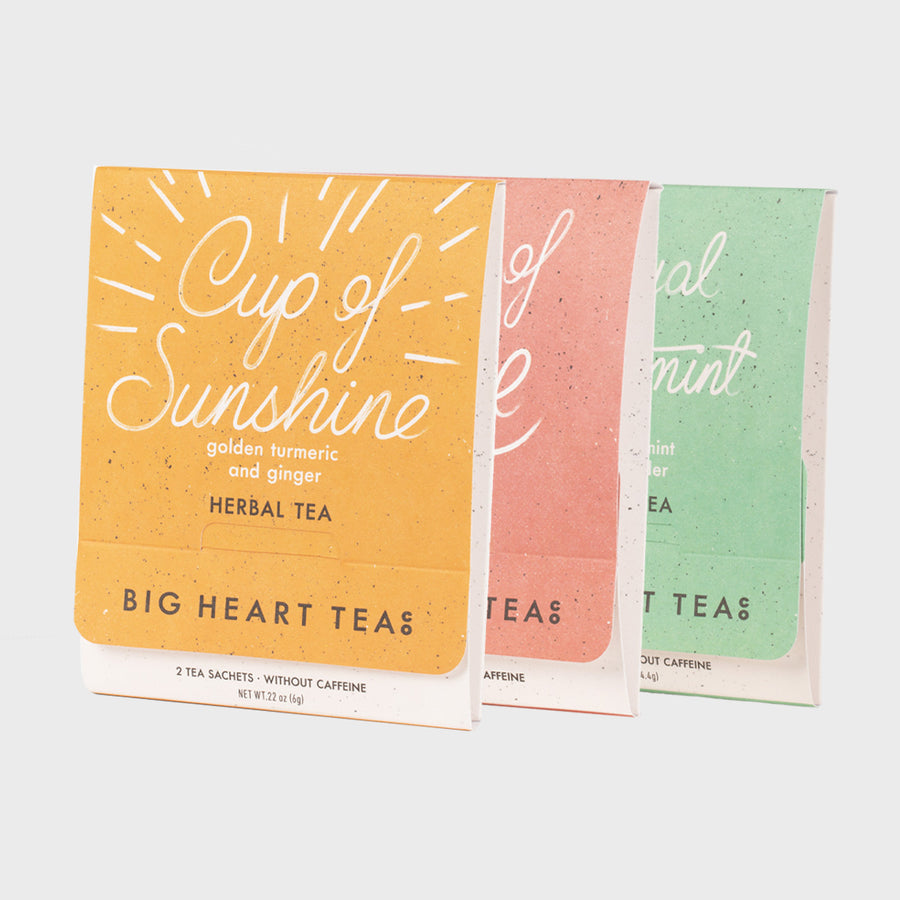
Ready to support your gut-skin axis? Explore our Bestsellers Sample Set featuring Cup of Sunshine, Royal Treatmint, and more of our most-loved blends. Or dive deeper with our Signature Line Bundle to experience the full range of ways tea can support your health and well-being.
Because when you heal from within, the glow shows on the outside.
The information in this article is for educational purposes and is not intended as medical advice. Always consult with your healthcare provider before making significant changes to your diet or wellness routine, especially if you have existing health conditions or are taking medications.